A Return to Working Class Politics
Political parties in Aotearoa need to reconnect with the needs of the working class.

This one is more of an expression of frustration about the state of politics in our country. If that’s not your cup of tea, no worries.
The past 12 months has seen a number of victories for the left of politics internationally. Victories in New York, France, and the United Kingdom are often touted as part of a wave of resurgent leftist politics that will cascade and benefit all parties internationally.
But to assume that is dangerous, and runs the risk of existing left-wing parties misrepresenting what this is. This left-wing revival is not just a fad, and comes off the back of a reconnection between political actors and the working class.
New Zealand looks more and more likely to miss out on this new wave through its own fault.
Below The Flaxroots
I believe that this left-wing politics revival comes amongst a reemergence of class consciousness in the face of globalization and economic downturn. Modern neo-liberal economics have thoroughly shafted the worker, and inequality is approaching historical levels.
I also believe that our major left-wing parties are ignoring this.
In fact there seems to be a deliberate misunderstanding; a belief that this growth in membership in overseas groups is due to consistent messaging and being ‘on-brand’ with major issues such as conflicts, genocide, and human rights, rather than because of economic issues.
And, while I agree each of those things is a noble battle in and of itself, I think that our parties have got it very, very wrong.
People have basic, materialistic needs. Some argue that once those needs are met, many will then partake in post-materialistic politics and express their ideological identities, but the reality is not so simple. Voters will bring their materialistic baggage to the polling booths whether it is on brand for a party or not.
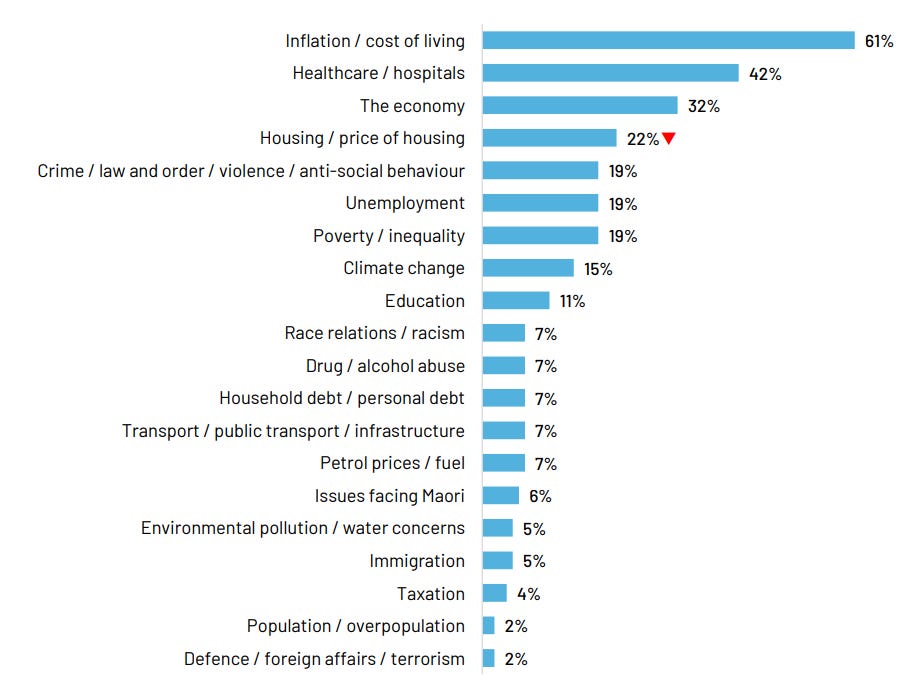
Many people have little regard (and rightly so in most cases) for the topical ‘culture war’ issue of the day, with data showing that most of us are more concerned with employment, the benefits we receive from our taxes, and the state of our country’s infrastructure (hospitals, houses, schools, roads, etc.). This constant cycle of issue after issue is exhausting, and offers no real promise for most.
So why then are our major parties promising either nothing to solve these issues, or angling their messaging even more into culture war issues?
A Branding Issue
In my opinion, all of our major parties have lost touch with the reality of the everyday New Zealander.
The machinery is operated at arms length from the ground, and the membership has become isolated. Purity testing is stripping the left of its ability to include new ideas and ostracizing those who are not ideologically in line in every way possible. People who genuinely care find it difficult and discouraging to engage with these systems, and often either burnout or choose to leave.
During my campaign, I spoke to hundreds of people whose needs were the same from all across the political spectrum. The most common feeling was a frustration that they were never being heard.
And while the left pursues culture war policy, economic policy is seen as secondary; housing policy is pushed behind other more greenwashed policies, and the left continues to be ragebaited into wasting our energy with media statements and pushing back.
We deliberately ignore the successes of left-wing economics from the 30s, 40s, and 50s which were achieved through mass public employment, large scale investment, and nationalised infrastructure in favour of buzzword policies like a 1% tax above $1M on a small section of the country. We then have to defend that policy to our deaths when, in reality, it will not fix the structural issues we face.
The words nationalistation, regulation, and taxation seems to have all but disappeared from the leftist lexicon. We do a great disservice to our ideological ancestors.
In engaging with the culture wars we have fallen straight into the trap that was set. We aren’t taken seriously economically, and every reactive action only makes us look less and less serious. We spend critical time on fluff when we should be canvassing and engaging with New Zealand’s largest voter base about issues that matter.
And the voters see that.
From Manhattan to Gorton and Denton
Connecting with the working class voter base is why Zohran Mamdani was victorious in New York City last year, and how the Greens have gone from being a side show to a main player in the UK.
Mamdani cut through both Republican and Democrat lines in New York with a simple message: I work for the people. His actions since January have been nothing but a testament to that statement. During one of the worst blizzards in recent memory, he upped pay for snowshovellers, and he has taken multiple actions to improve the operation of small businesses, target out of control landlords, and improve access to childcare and education in New York.
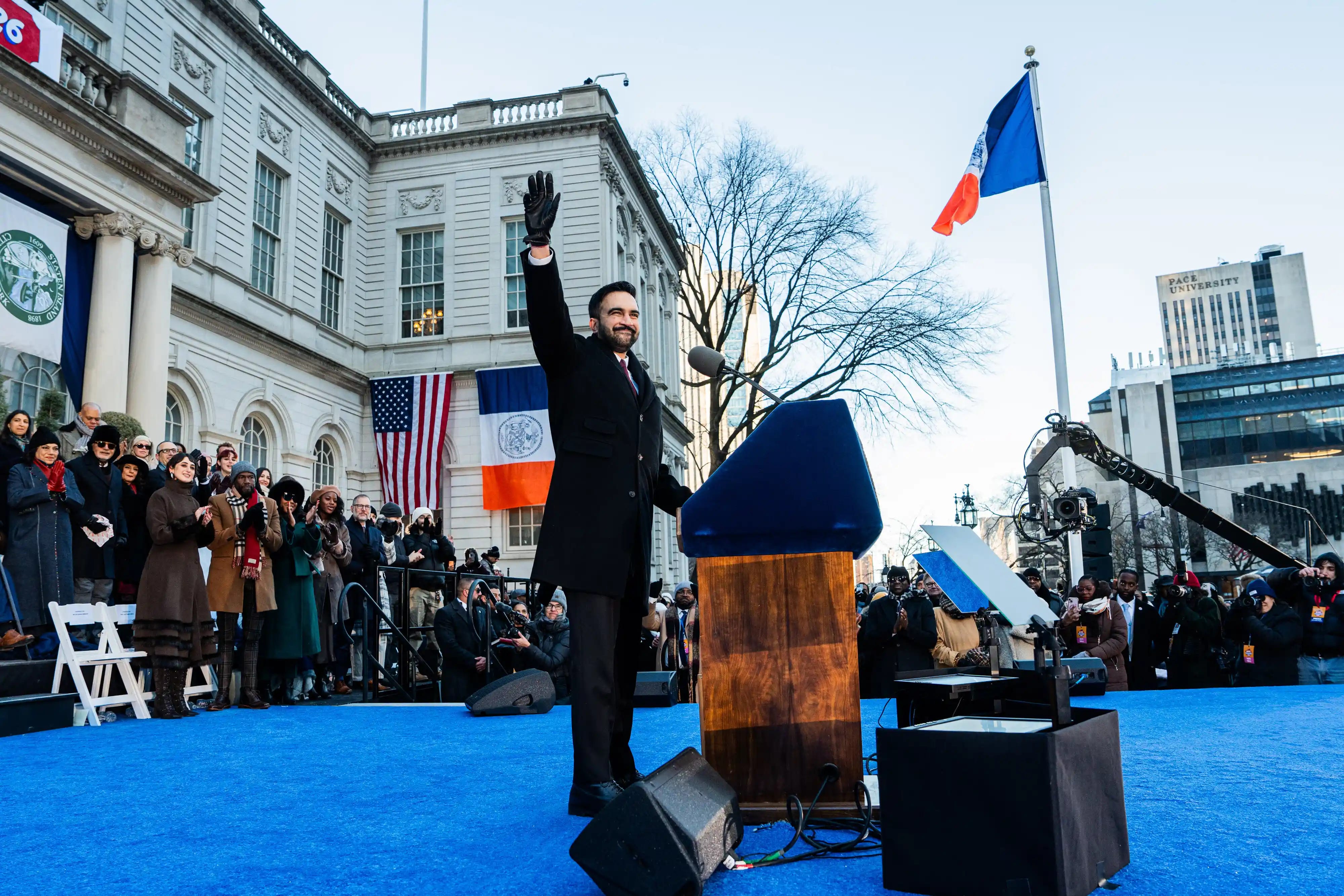
He has tackled a multi-billion dollar budget hole left by the previous administration with maturity, transparency, and openness. All while proudly standing as a Democratic Socialist.
It’s no wonder he is riding a wave of high satisfaction from his constituents.
In the UK, Zack Polanski has transformed the Green message in the same way. By refocusing the message away from what is being defined in the media and by other players, the Greens now represent the UK’s best shot at avoiding a Reform government. The results in Gorton and Denton’s by-election had the Greens ~4,000 votes ahead of Reform, and more critically, over 5,000 votes ahead of Labour last weekend.
Their candidate? Hannah Spencer. At 34 she is a qualified plumber/HVAC tech/plasterer who left school at 16. The message? No longer will the ordinary working people be left behind. The result speaks for itself.

We do not have such bold politics in this country, and we are worse off for it. And our political parties wonder why turnout is dropping, and polls show a hung parliament - even in spite of all of the complaints that have arisen against the NZF/National/ACT coalition. The fact that our two biggest left-wing parties are not soaring in the polls shows how much they are ignoring the voters.
Labour has promised nothing, and the Greens not much more as of yet. Both are too focused on letting National burn itself to the ground than they are attracting votes with good policy.
I don’t want a government that will do nothing, and I won’t vote for a party that betrays or leaves behind the working class.
I want a government that will invest my tax dollars into our future. I want a government that is willing to use the full extent of the law to break up monopolies and return critical assets to public ownership. I want a government that will invest in new services, and pay its public sector employees fair wages in recognition of their work.
I am yet to see any major party here show me that.
The purpose of a vanguard party in our current electoral context is to elect officials to change society to buy time for the working class to rebuild it entirely. A certain party has this backwards, and assumes that its purpose is to change society only to the extent needed to buy the working class's votes to elect more officials.
Did Winston Peters read this? NZF's new policy is to return a critical asset to public ownership. By buying back the BNZ from NAB and merge it with Kiwi Bank to create a large state owned commercial bank.