Local Politics 101: Where do I start?
Local Politics is a myriad of shadows and personalities. How can you get involved and where should you start?

Dearest reader, welcome to my blog for 2025! As with last year, I will endeavour to release an article every week, however, with additional commitments in employment, and an election coming up in September, I make no guarantees!
If you were to ask most people what they think of when they think of politics, you’d probably receive a spectrum of answers from David Seymour to Karl Marx. But in your day-to-day life, local body politics is a far more influential player, despite its vastly lower profile.
While the spotlight shines on the Beehive, the more consequential actions are far more likely to happen at your local council chamber. Rates, renewals, and amenities are all the realm of councils and councillors.
So what does Local Government look like in Christchurch? Over the next few weeks, I’ll endeavour to pull back the curtain on what happens in our council and community board chambers, and where you can have the most influence.
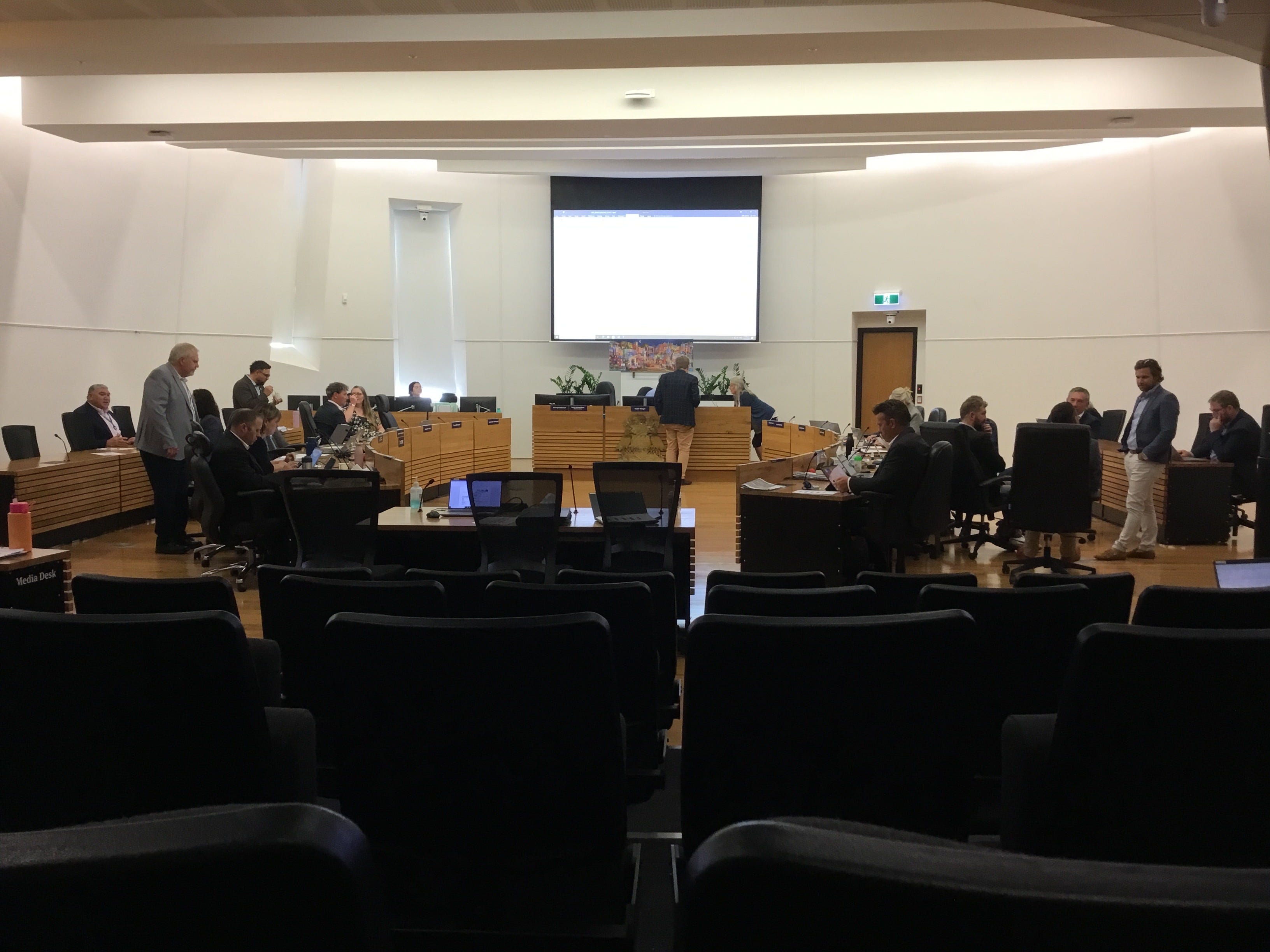
What is Local Government?
Monash University’s Business School defines Local Government as:
An administrative body for a small geographic area, such as a city, town, county, or state. A local government will typically only have control over their specific geographical region, and can not pass or enforce laws that will affect a wider area. Local governments can elect officials, enact taxes, and do many other things that a national government would do, just on a smaller scale.
Here in New Zealand that is embodied in roughly three types of organisations:
Regional Councils/Unitary Authorities
District/City Councils
Community Boards
In Christchurch, we are represented through Environment Canterbury (Canterbury Regional Council), and the Christchurch City Council, consisting of the Council itself and 6 Community Boards across the city.

Each of these authorities makes different decisions at different levels, but are made up of a series of elected members from geographic areas called constituencies/wards. Within Christchurch, ECan has 4 constituencies, while the Christchurch City Council has 16 wards and a Mayoral seat.
Each of those ECan constituencies is represented by 2 Regional Councillors, and each of the Christchurch City Council wards is represented by 1 City Councillor and 2 Community Board Representatives.
Keeping up so far?
Where do I start?
While sometimes opaque, local government has the benefit of being made up of people who live in your neighbourhoods. This is a great deal more approachable than the sometimes distant profile of Members of Parliament and gives each member a stake in the success of your area.
Successive election results have shown that communities are far more likely to elect those who show active engagement in communities, especially at the lowest level. This makes these people incredibly accessible and easy to communicate with.
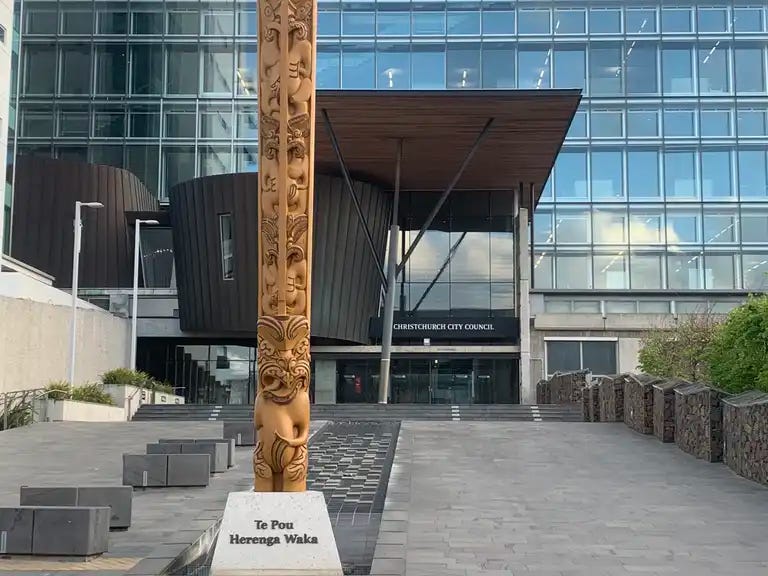
Emails and meetings offer ample opportunities to converse and influence your members. Each of the authorities in Christchurch also seeks consultation on major projects, giving you another avenue to have your voice heard.
This year also happens to be an election year for Local Government, so there is also the opportunity to hold your elected officials accountable at the ballot box.
These items are something I will focus on in more detail over the coming weeks.
Why care?
Local government is one of the few places in politics where having personal connections can make things happen. Sure, there’s the bargaining and the bartering around the table; but at the end of the day, you’re far more likely to know one of your elected members personally if you are active and involved.
When it comes to things that directly impact your day-to-day life (that pesky pothole for example), knowing where and how to get it fixed can make a big difference.
More transparency around what happens in local government helps us to untangle some of the bigger issues within it as well. Despite local government in Christchurch being largely detached publicly from national-level partisan politics, the same culture war and ideological pushing points are all too frequent.
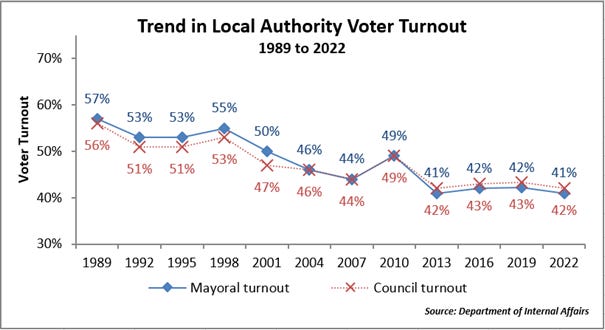
Most of this is enabled in an information vacuum, made all the worse through misinformation. Unfortunately, this low engagement shows through with abysmal participation in local government elections, with Christchurch City Council having had less than 35% participation since the 2011 Earthquakes. That’s not healthy in the long term for our democracy.
It has never needed to be this way, and once you can wrap your head around a handful of basic things, local government is an incredibly rewarding space to engage in.
What’s next?
Over the coming weeks, I will be writing a series of articles targeting specific areas of local government, in the hopes it can help lift some of the curtains that create low engagement. We’ll be looking at things such as submissions, elected members and wards, how the Council goes about rating and expenses, and how you can wrap your head around all things local government.
As of release, Christchurch City Council has just agreed to put their 2025/26 Annual Plan out for consultation. This is always an important milestone, and draws significant commentary, even more so in an election year.
Keep your eyes peeled and your wits about you.
While you’re here, consider signing this petition to revoke Destiny Church’s Charitable Status after their assault on a drag artist’s performance at Te Atatu Community Centre that left 30 people fearing for their lives and a teenage girl with a concussion after being assaulted on Saturday.